Friday, January 17, 2014
What i did and didn't like...
I liked this class a lot. I thought that it was pretty interesting, but I would rather learn about everything by watching more videos or doing fun things instead of almost always taking notes. I thought that Mr. Schick was really fun and exciting during class. He always has a ton of energy too! i liked this class but i would just rather do more fun things to learn. Overall i liked it a lot.

Thursday, January 16, 2014
Test review day on GG&S
Today we reviewed over everything we needed to know for the test tomorrow. We also finished the last 15 minutes of the video. The new information i acquired from that was...
- all the useful animals were NOT native to Papanewguinea, Australia, or Africa.
- the llama was the only one of all 14 animals that was from South America
- the rest of the animals were from mesoamerica, and Europe.
- people thrived in the Fertile crescent
- the east and west of the fertile crescent was the same climate (Latitude)
- different geographical places were why we had so much "cargo". We had a geographical advantage.
- Papanewguinea is between Asia and Austrailia
Wednesday, January 15, 2014
More Notes on the Video
- China makes rice
- America makes corn, squash, and beans
- Africa makes sorgu, milk, and yams
- Papua has sago.
- Good domesticated animals should be able to reproduce at a very early age of life. Have to be herbivores
- They can't be carnivores because then you have to provide and raise other animals for them to eat
- the animals need to get along with humans
- Goats
- Sheep
- Pigs
- Cows
- horses
- mithians
- Donkeys
- camels (2 types)
- Buffalo
- Reindeer
- Lamas
- Yaks
- Cattle
Tuesday, January 14, 2014
Guns, Germs, and steel video
Jared Diamond:
has traveled around the world
Papua New guinea
is a bird watcher
UCLS Las Angeles professor (biologist)
cargo- stuff you own
human Philosophy
Newguineans thought power was determined by race
all great civilizations have some things in common:
advanced technology
large population
well organized work force
sago tree- a lot of food in it
not super nutritious
have to eat it quickly
takes awhile to harvest
barley and wheat were food in the Middle East
very plentiful
Drah- the very first early official settlement
granary- a place to store food like the wheat
domestication- to cross breed things
has traveled around the world
Papua New guinea
is a bird watcher
UCLS Las Angeles professor (biologist)
cargo- stuff you own
human Philosophy
Newguineans thought power was determined by race
all great civilizations have some things in common:
advanced technology
large population
well organized work force
sago tree- a lot of food in it
not super nutritious
have to eat it quickly
takes awhile to harvest
barley and wheat were food in the Middle East
very plentiful
Drah- the very first early official settlement
granary- a place to store food like the wheat
domestication- to cross breed things
Thursday, January 9, 2014
1/9/14 class
Today we discussed more about urbanization, how it was formed, and the different places it began. We also talked about Urban revolution, the five hearths of urbanization, the diffusion of urbanization, Aztec and Roman cities etc. Mr. Schick passed around "An illegal rock" as the class called it. I cannot remember where his daughter got it from but it was from a very old wall somewhere in Rome.
Wednesday, January 8, 2014
1/8/14
Today in class we found out our grades for the test part of the exam. after the we started a new section on Urban Geography. It deals with showing how urban areas were back over thousands of years ago and how it changed over time. not only does it show that but how quickly they have changed from becoming rural to urban in a matter of a couple years!
Friday, December 13, 2013
Exam Review (Friday the 13th) 12/13/13
Study Guide to the Semester Exam - Human Geo - Fall 2013
1. Introduction (Excellence)
a. A Letter to Garcia
b. Socrates/ancient Greeks
c. Did You Know?/Shift Happens
d. Globalization
e. Infrastructure
2. Population and Migration
a. population pyramids
b. crude birth rate, crude death rate, RNI, TFR- total fertitlity rate, rate of natural increase
c. immigration/emigration, NMR- net migration rate
d. push forces, pull forces
e. developed nations, developing nations
f. God Grew Tired of Us
3. Cultural Geography
a. language (bilingual nations, official language)
b. major religions (Christianity, Islam, Hinduism, Judaism, Buddhism)
c. ethnic heritage
4. Political Geography
a. country, nation, state, nation/state
b. World Leaders of the 12 nations we studied (plus the US)
c. type of government, leader and title, recognize photographs
5. Economic Geography
a. microfinance
b. infrastructure
c. Kiva
d. Peace Corps
1. Introduction (Excellence)
a. A Letter to Garcia
b. Socrates/ancient Greeks
c. Did You Know?/Shift Happens
d. Globalization
e. Infrastructure
2. Population and Migration
a. population pyramids
b. crude birth rate, crude death rate, RNI, TFR- total fertitlity rate, rate of natural increase
c. immigration/emigration, NMR- net migration rate
d. push forces, pull forces
e. developed nations, developing nations
f. God Grew Tired of Us
3. Cultural Geography
a. language (bilingual nations, official language)
b. major religions (Christianity, Islam, Hinduism, Judaism, Buddhism)
c. ethnic heritage
4. Political Geography
a. country, nation, state, nation/state
b. World Leaders of the 12 nations we studied (plus the US)
c. type of government, leader and title, recognize photographs
5. Economic Geography
a. microfinance
b. infrastructure
c. Kiva
d. Peace Corps
- Socrates- the unexamined life is unworth living
- we are training for jobs that don't even exist yet
- push forces- war going on
- pull forces- good health care, stable economy, freedom etc.
- developed nation- have infrastructure (electricity, good education system, good health care system, airports, harbors, ways to transport goods or receive them)
- developing nation- doesn't have infrastructure
- different countries that have different problems, and realize that we have it pretty good here compared to other countries.
- we don't have an official language
- Canada has 2 official languages
- its is important to learn about language; it is good to be aware of cultural differences
- English is the business language
- looking at people and things from a different point of view
- economic background is important. (know world leaders with this background)
- know where the leaders are located on the map
- how do little loans help places that really need it?
Thursday, December 12, 2013
exam review 12/12/13
excellence is the first part of the exam.
doing things yourself.
Message to Garcia.
how the world is changing (did you know? shift happens)
population and migration
net migration rate- how many people that come into or leave a country
immigration- people coming into a country
emigration- people leaving a country
net migration rate exact number- 0
TFR- total fertility rate-number of babies born in a year
crude birth rate
rate of natural increase- is a positive number
number of babies being born- TFR- for the population to stay the same- 2.1
the more kids, the more they will have kids.
look over the population pyramids
write a description of what u learned for each of the 5 units we learned this semester
economics- political geography
write paragraph/about world leaders we talked about
Thursday, December 5, 2013
microloans blog
Micro finance- a form of financial services for entrepreneurs and small business lacking access to banking and related services
Micro loan- a small loan given to individuals who might not have access t typical banking services, usually to start o expand small, self-sufficient businesses.
Who gives out micro-loans?
one of the best- known leaders is kiva.org
- kiva has made 10.6 loans
- kiva's current payment rate for all is its partners is 99.01%
Who receives micro-loans?
Micro loan- a small loan given to individuals who might not have access t typical banking services, usually to start o expand small, self-sufficient businesses.
Who gives out micro-loans?
one of the best- known leaders is kiva.org
- kiva has made 10.6 loans
- kiva's current payment rate for all is its partners is 99.01%
Who receives micro-loans?
- micro-entrepreneurs who are trying to start a small business
- villagers needing to fund a clinic, hospital or other health care facility.
- teachers trying to run a school
- students wanting to further their education
Problems with micro-loans
- High interest rates- sometimes as high as 23%
- The cost of providing banking services to those living in poverty is high. being the company to process one $500,000 loan, or or five hundred thousand $1000 loans.
Micro-loans are a help, not a cure
- banking services are often unavailable to poor people
Challenges
- there are many kinds of challenges faced by developing nations
- some can be alleviated through micro-loans
- poor health care
Malaria
- its a mosquito-borne infectious disease
- humans and animals can be infected through the bite of a female mosquito
- no vaccine exists
- it kills around 665,000 people a year, many of them children in Africa
- mosquito nets can be effective
Philanthropy- is the generous donation of money to good causes, and Bill and Melinda Gates are the second greatest philanthropists in history (28 billion 1/3 of their wealth).
they support research and development for a vaccine, diagnosis, and mosquito-control measures- like mosquito nets.
Wednesday, December 4, 2013
10 questions
1.) What is a microloan? - loaning people money to help them get a kickstart in a small business that will be beneficial to help their business be successful.
2.What are some problems that can be helped my microfinance? Malaria, Drought, and Clean Water
3.) How can microloans help? benefit others instead of the person allowing the community to benefit from it.
4.) What is microfinance? - is a general term to describe financial services to low-income individuals or to those who do not have access to typical banking services.
5.) What’s a microlender? - an organization that makes business loans to individuals who are not able to obtain financing from traditional lenders. (usually charge higher-than-average interest rates)
6.) what is malaria? What is it caused by? It is a disease transmitted by mosquitoes when they bite you.
7.) What are some effects of droughts or heavy rains? -The climate in the region affects the farming which is relied on in many because they are not as developed as other places.The weather is unpredictable. Many times there won’t be as much rainfall that is needed for the crops to survive, these times are called droughts Other times there is too much rain, this leads to many of the crops getting washed away because they are already full of water and can’t take any more in. Both resulting in little/no crops.
8.) How do loans affect small business? - Loans help people with small businesses to get a kick start on what they want to do. They may get funds, structure investments, housing, and help for the economy in small areas near by.
9.) Who is the biggest provider for mosquito nets? - Bill Gates
10.) How many deaths does malaria cause each year? - 6,000
Tuesday, December 3, 2013
micro-finance
Microfinance- is a general term to describe
financial services to low-income individuals or to those who do not have access
to typical banking services
Microloans- is when a small amount of money to
a developing business once the business is running well, the loaner will
receive their money back.
- loans people money to help them get a kick start in a small business that they think will be beneficial to their village or town
Ways microloans help
- Benefit others instead of the person allowing the community to benefit from it
Microloans- also helps investments in
infrastructure, education, and legal reforms
- Allows small business owners access to insurance
- Have a positive effect on the community around them
- Provides microenterpreneurs with the capital needed to operate and expand their business
- Allows people to work doing something they like doing or switch jobs
Microfinance
provides people don’t have the money to get a loan to start a business and pay
for medical attention, schools etc.
It helps small
businesses to stay running. It helps the
legal economy pay insurance
If you get sued, the
microfinance will help it get started again.
Problems in Developing Countries
In most developing
countries, the majority of the population are poor, but it is the poor people
who are least likely to be helped by regular banks.
Problems in
developing countries that can be helped by microfinance
- Malaria
- Drought
- Clean water
- Famine
- Pollution
- Poor health care
- Lack of supplies
- Poverty
- Bad electricity
Malaria
Is a life
threatening disease transmitted from mosquitoes.
- Bill and Malinda Gates has distributed thousands of mosquito nets to infected areas.
Micro Lenders
A micro lender is an
organization that makes business loans to individuals who are not able to
obtain financing from traditional lenders.
Micro lenders typically charge higher-than-average interest rates; their
maximum loan is usually $25,000 or less. Recipients of micro-loans are
typically in poverty or in development zones in the U.S., or who live in
developing nations.
Friday, November 22, 2013
class 11/22/13
Today Mr. Schick was not here today so Mr. Torres substituted today. (he is really quiet). We continued playing the game that we left off of yesterday. This game actually teaches us a lot about foreign countries and how different their problems are from ours!
11/21/13
Today in class, we played a game that contributed with countries that have problems like pollution or finding businesses that would work for them. In that game the goal was to help as many people as possible and use your brain to find the source of the problem and using that knowledge to help the villagers solve it. We also got to take weird pictures with an Emmy award. Not sure where it came from but it was pretty cool to hold.
Thursday, November 21, 2013
11/20/13
In class we went over our tests questions. Mr. Schick thought that giving us questions on the test that we really needed to think about was a good idea. apparently it wasn't. Some people did bad on the test because we didn't read the questions as we were supposed to. We wrote the correct answers on our test as well so it would sink into our brain.
Tuesday, November 19, 2013
class 11/19/13
Today in class while I finished my "World Leaders" test, everyone else was reading articles about honestly i have no idea. Today's class seemed really short probably since shortly after I finished my test the bell had rung and everyone was running out the door. Our class was once again, extremely quiet.
Wednesday, November 6, 2013
Country's
 country: China
government: communist
leader: Xi Jinping
leaders title: secretary of communist party
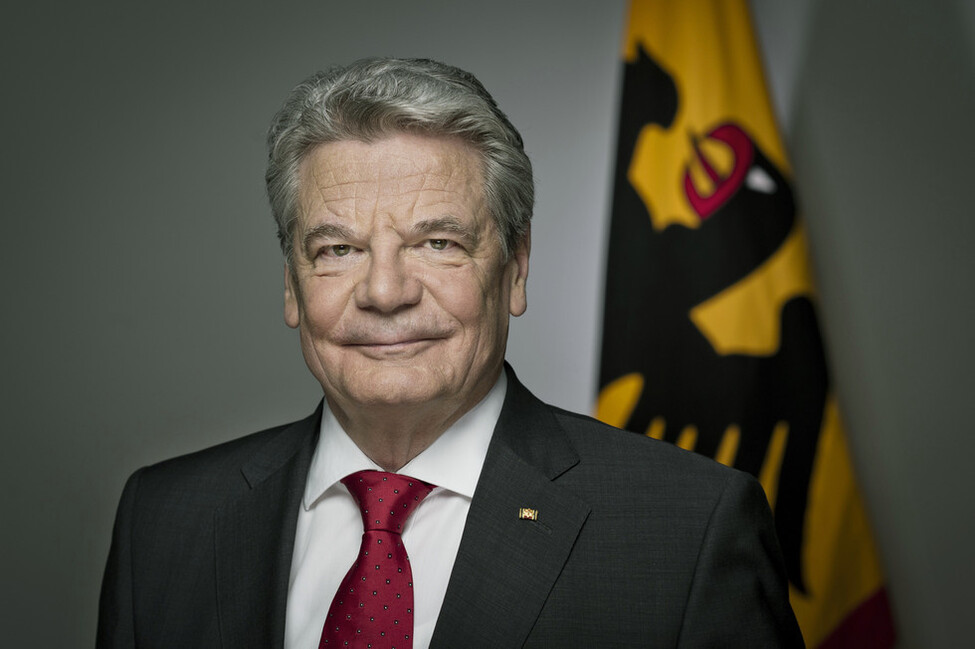
Country: Germany
Government: federal republic
Leader: Joachim GAUCK
leaders title: president

country: Venezuela
Government: federal republic
Leader: Nicolas MADURO Moros
leaders title: president
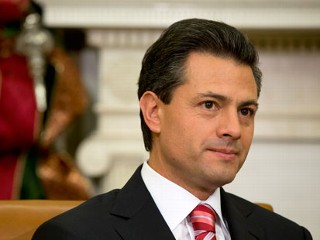
Country: Mexico
Government: federal republic
Leader: Enrique PENA NIETO
leaders title: president

country: United kingdom
Government: constitutional monarchy and Commonwealth realm
Leader: Queen ELIZABETH II
leaders title: chief of state

Country: Saudi Arabia
Government: monarchy
Leader: King and Prime Minister ABDALLAH
leaders title: Chief of state

Country: India
Government: federal republic
Leader: Pranab MUKHERJEE
leaders title: president

Country: France
Government: republic
Leader: Francois HOLLANDE
Leaders title: president

Country: Iran
Government: theocratic republic
Leader: Hassan Rouhani
leaders title: president

Country: Afghanistan
Government: Islamic republic
Leader: Hamid KARZAI
Leader's title: president
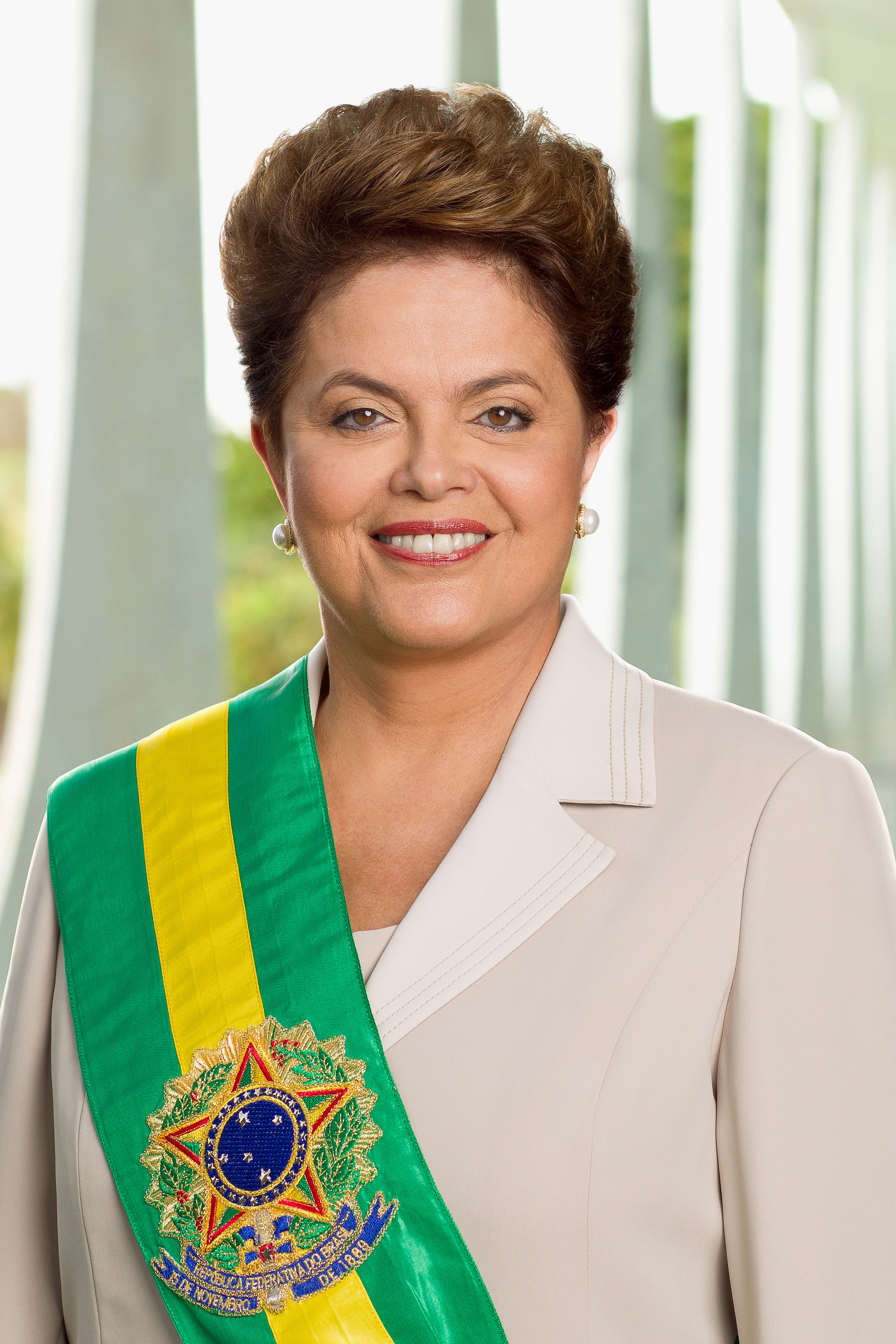
Country: Brazil
Government: federal republic
Leader: Dilma ROUSSEFF
Leaders title: president

country: Israel
government: parliamentary democracy
Leader: Shimon PERES
Leaders title: president
Tuesday, November 5, 2013
Political organization
Political Organization:
Nation- is a group of people with a shared identity
State- a government in charge of a lot of different organizations (claiming authority over land and people)
Interstate Wars- two or more states fighting over one piece of territory
Failed State- has no effective government
Diasporas- one nation spread over many states
Multinational States- more than one nation in a state
- an identifiable land area
Nation
- a population with a common culture
State
- a population under a single government
- synonymous with "country"
Nation-state
- a single culture under a single government
- a nation which has the same borders as a state
A Nation
- a group of people with a sharped identity
- think if it as a culture group
- nations are culturally homogeneous
- boundaries
- organized economy
- education
- transportation
- sovereignty
- external recognition
Country- are lines on a map
Nation- is a group of people with a shared identity
State- a government in charge of a lot of different organizations (claiming authority over land and people)
Interstate Wars- two or more states fighting over one piece of territory
Failed State- has no effective government
Diasporas- one nation spread over many states
Multinational States- more than one nation in a state
Friday, November 1, 2013
class on Nov. 1st
Today's class was quiet since we had to take a test but i'm sure everyone was really tired since it was the day after Halloween and i know most of my class participated. I was tired as well that is why i slept in!
religions
Islam
History of Islam:
- Islam is a monotheistic belief in a god or gods,
- is an Abrahamic religion.
- These people are called Muslims.
They are mostly
found in the middle east:
- Indonesia
- Iran
- Turkey
- Bangladesh
- Pakistan
- India
Their bible is
called the Qur'an book (it is considered to be the exact words of God)
The belief:
- It is a belief that God is one, and the purpose is to love and serve him.
- It is also believed that Islam is the universal version of faith, and was revealed through Abraham, Jesus, and Moses.
- They believe in Allah
- They believe Allah is absolutely and completely perfect to them
- No one shares divinity with Allah
- Humans are not created in Allah's image
- Humans can ask Allah for anything they want
- Allah never sleeps, get tired, or dies
Religious practices:
- Five pillars of Islam practices
- They MUST pray 5 times a day (get on the ground and face Mecca)
- They go through pilgrimage to become Islam.
- The hajj consists of several ceremonies
- They sacrifice sheep
- They symbolize the completion by cutting off their hair
Christianity
Denominations
- Roman catholic
- Baptist
- Lutheran
- Protestant
- Methodist
- Mormon
- Jehovah's witness
- Quaker
- Orthodox
About 50% are
catholic
Population
There are about 2.8
billion Christians in the world (1/3 of the words population)
They believe that
Jesus is the savior
Jesus died and
resurrected
Christians believe
the word of the Bible
This belief emerged
in the mid-1st century in the near East
Christianity became
common in Europe
Buddhism
- Is a religion indigenous to the Indian subcontinent that encompasses a variety of traditions, beliefs and practices
- They worship "Buddha" also known as the "awakened one"
- 6% of the world's population is Buddhists
- 350-550 million people
- They are found China, Japan, Thailand, Vietnam, and Myanmar
History
One of the oldest
practices today
The Buddha is a
person who is completely free of all faults and mental obstructions
The teaching
contributed to Siddhartha Gautama (Buddha)
They worship the
Buddha
Thursday, October 24, 2013
review for test
Today we reviewed all of the questions that were going to be on our upcoming test. We learned more about NATIONALISM- (when the people of a certain country, think that their country is the best country out there) while jasmine taught our class. I was so proud of our class because for the first time this quarter, we actually got "into" what we were talking about. It's not surprising that we started actually talking when politics came up! I think Mr. Schick was proud of us too. We watched a short clip from a movie. The main character was an anchor for the news. They asked him why he thought America was the best country ever. At first he went along with everyone else's reasons, but then he clicked. He ranted on how we are NOT the best country. I really liked it. All around I think our class did so well today with Jasmine as our teacher.
Subscribe to:
Posts (Atom)